The Fountain That Gave It a Name
Fontainhas derives its name from Fonte Phoenix, a historic spring built around 1855 near Altinho hill. Originally designed as a public bath, the fountain once featured a painting of a mythical phoenix—now lost to time. While the spring has been gated off today, it still flows with cool, fresh water even in peak summer. Inside, stone-carved tunnels adorned with crosses and dome-shaped windows create an almost meditative atmosphere.

From Plantation to Latin Quarter
The story of Fontainhas begins with Antonio João de Sequeira, a wealthy Portuguese trader nicknamed Mossmikar after his return from Mozambique in the 1770s. He developed the area as a private coconut plantation which later expanded into a residential neighborhood for workers, sailors, and eventually Portuguese officials.
Fontainhas’ rapid urbanization began during a plague outbreak in Old Goa, prompting authorities to move the capital to Panjim. Development was rushed, resulting in closely packed homes and narrow alleys—features that unintentionally gave the area its picturesque, old-world character.
Following Mossmikar’s death, the land was bequeathed to the Convent of Our Lady of Carmo in Chimbel. Eventually, the Portuguese administration repurposed the area to house civil and military officials, solidifying its status as a high-profile colonial enclave.
Living Legacy of Color and Culture
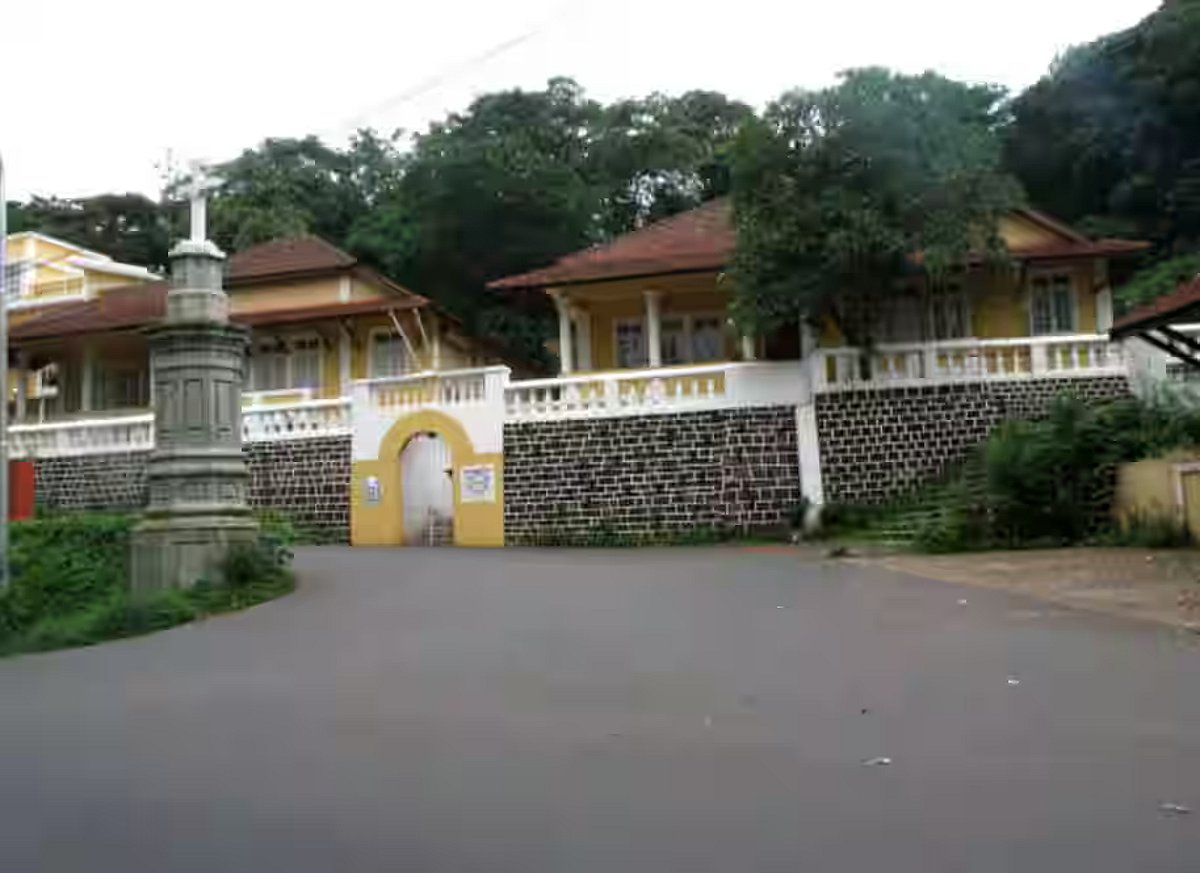
Fontainhas is celebrated for its distinctive architecture, where homes are painted in bold hues of red, green, blue, and yellow—a tradition dating back to Portuguese rule, when houses were required to be painted annually. White walls were often reserved for homes with private chapels or resident priests.
The houses are adorned with sloping tiled roofs, projecting balconies, mother-of-pearl window panes, and intricately designed cornices—architectural details that reflected the social standing of the occupants. Wealthier families showcased more elaborate exteriors, including layered tiles and decorative facades.
Today, many of these homes have been lovingly converted into heritage hotels, boutique guesthouses, art studios, and cafés, making Fontainhas a vibrant mix of the past and present. Despite these changes, it still functions primarily as a residential neighborhood, retaining its intimate community vibe.
Echoes of the Past
Street names like Rua de Natal, Rua 31 de Janeiro, and Corte de Oitero highlight the area’s colonial legacy. Even the now-restored Tobacco Square (Praça do Tabaco) in São Tomé has historical roots—it once served as a tobacco trading depot before being converted into Goa’s General Post Office. Interestingly, it shares the same postal code (403001) as Maitri, India’s research base in Antarctica.