Tragically, in this agriculture intensive country, land is left fallow and farmers have to take up tiling, sowing and harvesting other fields. There has been no official from the horticulture department ever since they started growing their produce.
These farmers have been growing vegetables like red spinach (tambdi bhaaji), cluster beans (chitki mitki), cabbage, lady fingers, brinjals and french beans for decades now. Unfortunately, all they get for their toil and sweat is uncertainty as to whether these vegetables will sell or not.
Joanita Silva, 75, from Fatorda depends on her produce to make a living. “November to May is our season to grow vegetables and sell them. Sometimes all of them are sold, sometimes none are. After our season, we got to the neighbour’s fields where paddy is grown and work as labourers to earn a living for a while. Sometimes it’s just 15 days while we wait for another job,” she said adding that she cannot afford to hire labourers for her work with each one having to be paid at least Rs 300 each.
Additionally, when they go to sell their meagre produce in the market, they are promptly chased away. Mechanisation has aided the large scale farmers who have hired machines to do their work which leaves the smaller farmers without a job during the off-season.
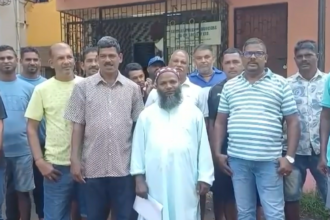
There are more than 300 other such farmers who make a living out of growing vegetables and selling them on highways and roads. This is a perfect example of how the rich get richer while the poor get poorer. Every cloud, however, has a silver lining and theirs comes in the form of local MLAs. Vijai Sardessai has recently started an initiative named Fatorda Agro Works and has promised farmers all possible help from his end. Aleixo Reginaldo Lourenco has also helped a multitude of farmers to make their land cultivable. Such initiatives will help these small-time farmers weather the storm and get past it for a better next day.