l Kankumbi goes dry and thirsty while Hubli-Dharwad get drinking water
l With no water for irrigation, once flourishing farmers turn now daily wage earners and vegetable sellers
The green village has turned red. This is how the locals describe their once green village that lies on the Goa-Karnataka border. The 50-odd wells that once supplied stable and potable water to the 5000 odd residents of Kankumbi village, are now in their terminal stages. This mainly agrarian village has lost its only source of livelihood – agriculture – almost a decade back.
This has been the situation since October 2006 when Karnataka began the excavation and construction activity for the Kalasa canal and it has left the once self-sufficient Kankumbi village almost in ruins.
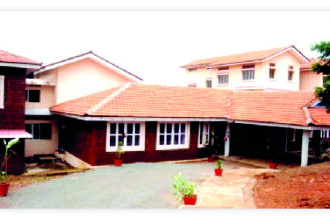
CRACKED HOMES: The foundations of the houses have not only weakened, but developed cracks. Even the walls of the famous Shree Mauli Devi temple today sport huge cracks. The temple which once nestled amidst green, is today surrounded by mud and rocks.
“A large jackfruit tree outside the temple was uprooted. They (the excavators) did not leave a single leaf of the tree. The green village has turned red,” Pandurang, in his early 20s, said.
The project envisages augmenting the storage of Malaprabha Reservoir for meeting drinking water needs of Hubli-Dharwad, Kundagol town and nearby villages. The total quantity of water it proposed to divert as per the Kalasa Nala Diversion Scheme was 3.56 thousand million cubic feet per year.
But the work has brought with it disaster for the villagers.
DRIED WELLS: “There are no wells to quench our thirst. All the wells dried up and public taps also run dry every summer season,” Sunaina Gaude, a mother of three, told Herald. After the agriculture disappeared, the villagers survive through a minimum daily wage job or sell local vegetables on the roadside. There are hardly any takers.
COMPENSATION INCOMPLETE: To add to their woes, the compensation was more like a formality. When the Kalsa Nala Diversion Project began covering 29.85 hectares of the Kankumbi village, each house that came under the project were promised compensation per hectare varying on the type of land. The total compensation was calculated at Rs 92.43 lakh.
“The villagers were paid first instalment which was a meager amount and the second instalment is still awaited. No one listens to our plight,” Gundu Naik, one of the affected villagers said.
When environmentalist Rajendra Kerkar visited the village, he was flooded with complaints from the villagers. “The work is slow. It has degraded the Mauli temple and the villagers who were self sufficient in all ways are now sufferers due to the work. Agriculture is destroyed and the safety of the houses is threatened. People approach me with hope to get their compensation but the Karnataka government is not doing anything,” he alleged.
As Team Herald drove away from the village, it passed by the home of a woman tending to her red chillies, but with no joy. And as we file this report we ask “Why should projects meant to help one set of people bring suffering to another.