Herald: Do you think that the tourist taxi strike was a success?
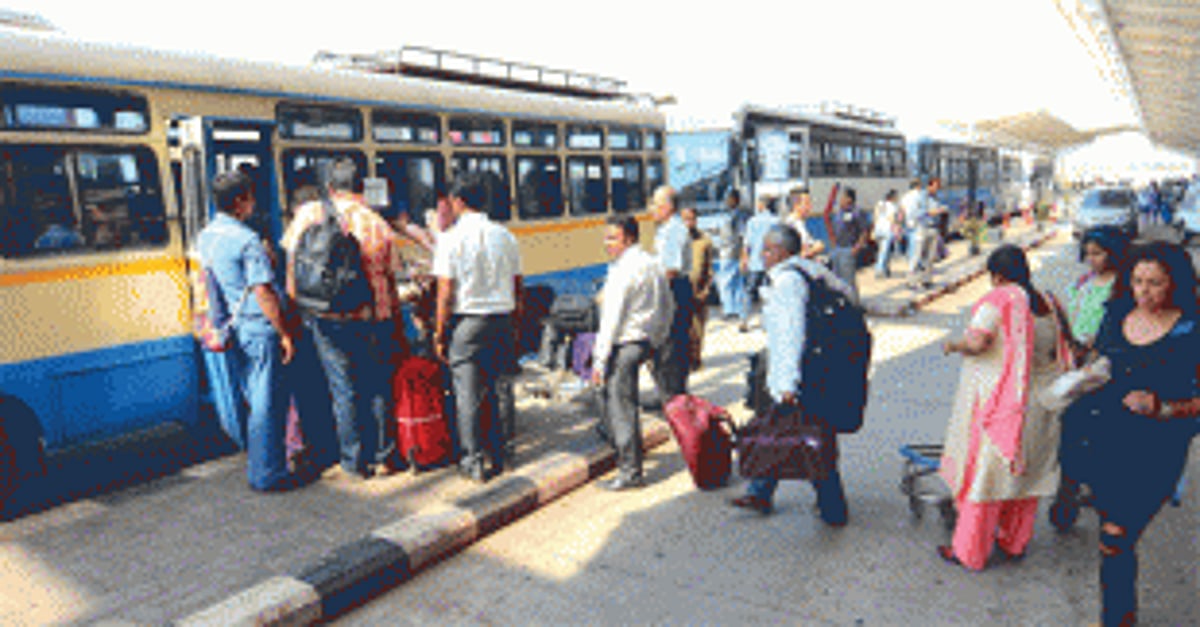
Francisco De Braganca: Yes and no! The tourist taxis stayed off the road. That is all. Only they lost business. But hotels were not affected. Many alternative modes of transport were available to tourists which were not available a few years back. Private cars driven by the very same tourist taxi drivers, who were not plying their taxis made huge profits discreetly on their phone and dropped guests to various destinations. Likewise, the black and yellow taxis were operating at the airport and along with Kadamba and other coaches, transported the tourists to their respective hotels. The hotels, through coaches and private taxis transferred their guests to the airport and back. In the eyes of the tourist taxi drivers, perhaps the strike was a success. But hotels were not affected, thanks to other alternative modes of transport. Some of the taxi technology driven aggregators also did business. The other good part is the guests stayed in the hotel for the full day and the hotels’ food and beverage business blossomed, which otherwise may not have happened.
Herald: How do you think the government should handle bandhs by tourist taxi operators?
Braganca: The Government should and is now seriously thinking of alternative modes of public transport which is available all over the world. Internationally, taxis are not the only monopoly. There are buses, coaches and train services. The Government needs to look at the alternatives like buses and coaches from the airport. I am sure the GTDC can easily take up the issue. I am sure this has been an eye opener to the Government to ensure that henceforth Goa tourism is not held at ransom by a few.
Herald: Did the bandh affect movement of tourists in the State?
Braganca: The bandh has not affected tourists from finding their way from or to hotels from the airport. It has only prevented them from going to the beach from the hotels and the business in standalone restaurants and shacks on the beach. However, this has benefited the hotel F&B revenue as most of the guests on account of the strike, stayed indoors and had all their meals at the hotels. However, the image of Goa is affected since tourists cannot move around freely and enjoy all that Goa has on offer.
Herald: Do you think tourist taxi operators will be at a disadvantage if operators like Ola cab are permitted to operate in Goa?
Braganca: Taxi operators need to join and work with technology driven aggregators like Ola, Meru, Maxi Cabs etc after studying their models and find out which one is suitable to us. I would not recommend any one of them. The taxi drivers/operators in Goa need to realize that technology will one day pull the carpet from under their feet as has happened to the all powerful Mumbai Taximan Union which once upon a time used to paralyze Mumbai. Now they are silent bystanders when the business is taken from under their nose by various technology driven operators. Many of them are willing to work with our own existing tourist taxis, for a small commission.