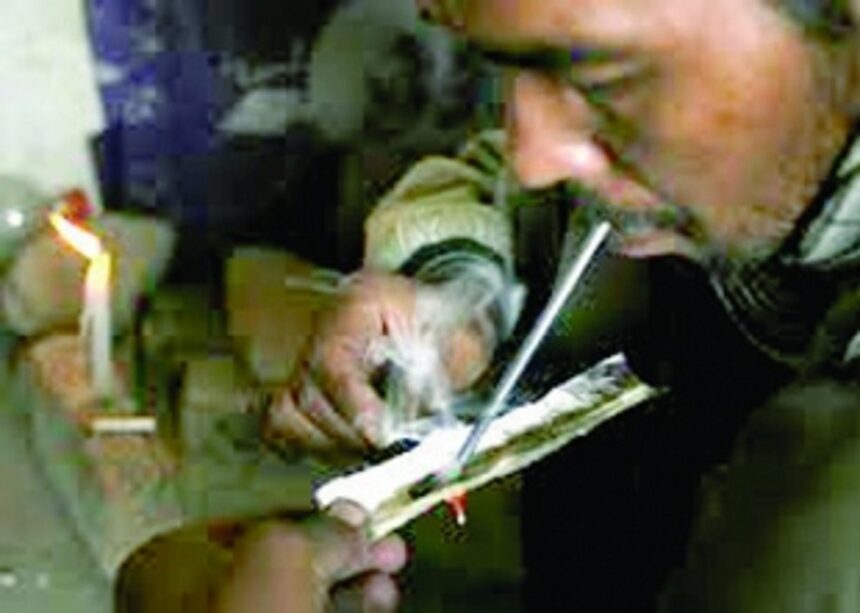
Ot is a well-known fact that Africans are the new entrants in Goa’s narcotics trade and are now believed to be a face of this trade. However, the old players are still controlling this trade on Goa’s coast. Nigerians are reportedly prominent in this business but the big Daddies’ are sitting on the coast for more than two decades.
After an extensive travel in drug dens and a study conducted by the Herald, it has been revealed that majority of the stake of narcotics trade is being controlled by Israelis, followed Russians and Britishers. But the Nigerians, who made a late entry into this trade, are facing hardships in establishing their own territory. It is however, learnt that they have captured a few pockets of the coastal line on the North Goa belt which is mostly visited by locals and domestic tourists.
The Israelis, who are reportedly the main players, are controlling the coast of Anjuna, Vagator and Chapora which is widely visited by most of the international tourists and the area which is noted for the Trans and Rave parties.
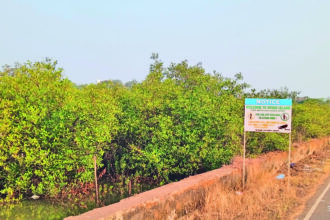
Russians are reportedly controlling the narcotic trade in Morjim and Arambol for decades now.
However, Britishers are mostly seen in the Baga belt and parts of North Candolim and South Anjuna, but not beyond these areas.
The Nigerians, who were not having any areas under their control, have gradually set up their limits along with the local dealers and few foreigners around three years back. The infamous fight between the locals and a Nigerian gang had left one Nigerian dead. Since then the Africans are not interfering to encroach in other territories.
The people, who are well known in this business, have said that the real mafias in the narcotic trade are the foreigners who are residing in Goa for many years without leaving the state.
“These are well established players in the trade. They have connivance with the locals who provide them muscle power along with political patronage,” one of the former dealers said.
Another taxi driver from Chapora says, “the new players come and go in the season, but the mafias are settled down in Goa which everyone is aware of but nobody speaks about them.”
The taxi driver, who has been in the taxi business for more than two decades, informed that if long-residing foreigners in Goa are listed it would disclose the names of the drug mafia.
“Mafias remain the same but actual players on ground and carriers change every year. The modus operandi is to take different shape as per the trend,” he told Herald.
The technique of these foreign dealers is the same; to stay permanently in India with a free ticket. Many of these dealers have series of petty cases booked against them which restricts their movement of the country.
Sources have even informed that the drugs dealer who wants to reside in the country is issuing dud cheques with the sole purpose that they bounce in the banks and they get an automatic free ticket to stay in country following an offence in the Police Station.
These established dealers have a well organised inter-state network of carriers and dealers. Without the knowledge of law enforcing agencies they get the huge consignments in the state and even some of them are manufacturing the drugs (synthetic).
The recent arrests of the UK national, David Johnson and his two India associates, have raised several questions about the intranet of the drugs trade and its operation which is under the ground.
A former inspector from one of the coastal Police Stations has said, “The drug mafias in Goa are not only dealing in narcotics in the state but also supply in other states and countries too”.
This trend is very disturbing for locals in the coastal areas as they fear that the inaction by the government to curb this problem will only lead to more problems in the future.