he corona virus has disrupted our lives, world economies, development and jobs in an unprecedented manner. Recession is going to affect every country. People all over the world with over 50% of jobs lost are starring at an uncertain future. Some people have already committed suicide and more may follow. But we have always to move ahead with optimism. Better days will dawn on us. The proverbial story of two men, who while they were walking together, on the same road, one of them seing mud and the other seeing stars; is very befitting here. We live with hope. In this shattered situation many may ask: how?
We have to go back to our traditional occupations, which were given up for various reasons, some of them being high profits and white collar jobs. The most traditional occupation of all the peoples of this earth is agriculture. As somebody was saying the first culture is agriculture, wherefrom all other cultures are born like horti-culture, pisci- culture, flori-culture etc etc.

From times immemorial, our Goan village communities grew up essentially as village community agriculture cooperatives known as Ganvkaris with allodial community land and governance which the Portuguese after their arrival to this land appellated in their language, “ Comunidades Aldeanas/ Agricolas” meaning “Village Agricultural Communities”.
Our community agriculture consisted mainly of two crops: Monsoon crop known as ‘Sorodd’ and the other Rabi crop or ‘Vaingan’.
Horti- culture was done throughout the year like fruits, vegetables, pulses, beans etc. Thus agriculture was supplying most of the food needs of Goans.
Today agriculture can be enriched with so many traditional varieties as: cattle, goats, local chicken, pigs’ rearing etc.
Besides traditional fishing can be intensified after de-silting the lakes, ponds and rivulets in khazan lands (which has been long neglected since 1965 the year of enactment of Agricultural Tenancy Act), observing strictly the fish spawning season.
Also we could grow sweet water fish in our lakes and ponds, the later abundant in our villages. Our traditional occupations were self employing many Goans in toddy tapping and distilling the same, coconut ,cashew, arecanut, banana plantations and their subsequent processing, jaggery making, clay moulding, masonry ,carpentry, bakery, salt industry and a host of other occupations which were mostly given up by young Goans considering them as “ below their dignity” , in search of greener pastures.
But today, they may be disillusioned, realising that their feet were not on the green grounds of Goa.
Engaged on these occupations, our fore fathers earned their daily bread, sustained their large families and lived a long life as “sossegado Goans” meaning, without worries, without depending on government jobs and doles.
Here, deviating a little from the main topic, I have to appeal to the government to avail every possible opportunity, to absorb “Goans First”; in new and old industries, giving also preference to Goans once any job falls vacant.
Goans have contributed their community lands to set up Industrial Estates but have hardly profited by this act of forfeiting it. Also every effort should be made by the government, to set up new industries by Goans in vacant industrial plots and in non performing ones or those under litigation/arbitration resolving their issues urgently.
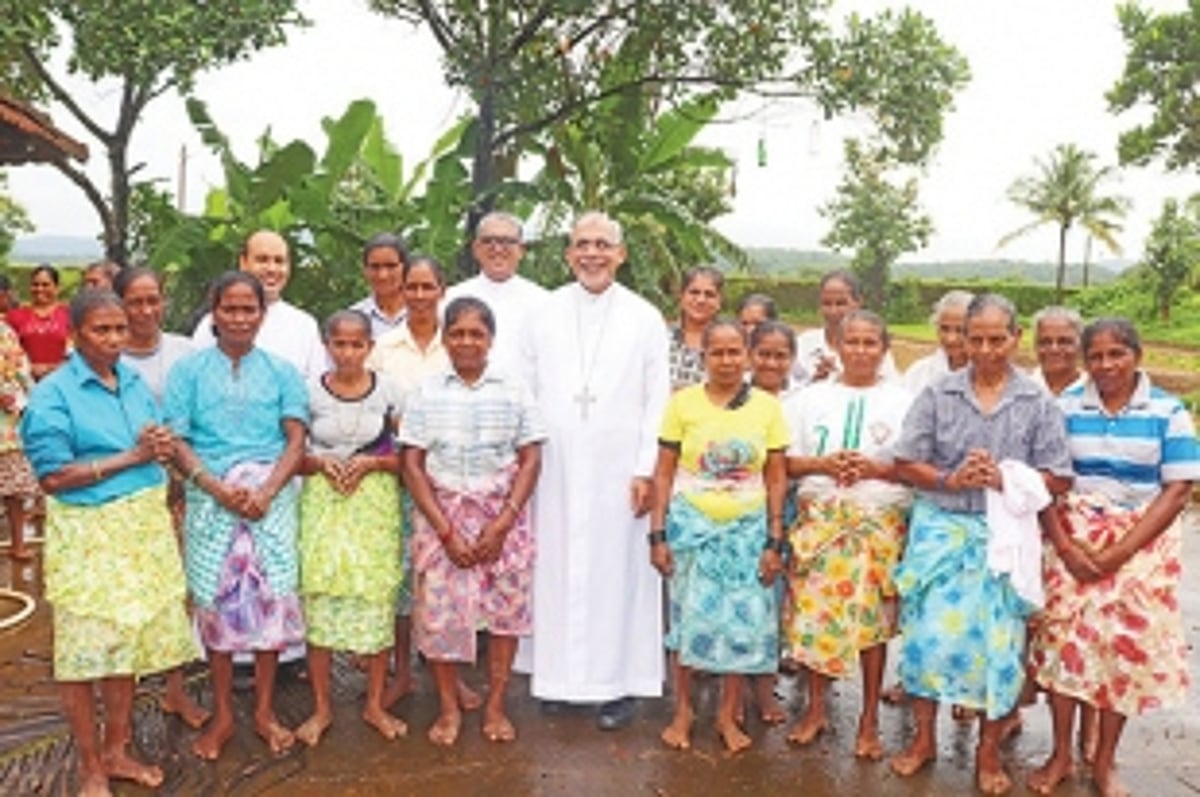
Women also can successfully employ themselves in self help groups making quality sweets as Bebincas, dodols, doces, etc; also preparing papads, pickles, jams, fruit juices, quality condiments (Sambar). They could also engage themselves into broom making and crochets etc.
Going back to the main topic all of us have seen the fallacy of The Agricultural Tenancy Act which destroyed our traditional agriculture and pisci- culture took over the main agriculture by breaking the bunds with gelatine explosions, removing the sluice gate doors or keeping them open to allow entry of salt water and fish in khazan lands thus destroying agriculture and horti-culture done in the same lands, all with the connivance of the Mamlatdars of the time.