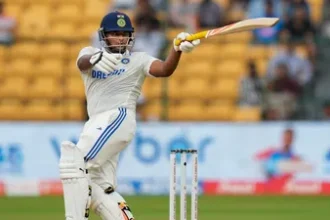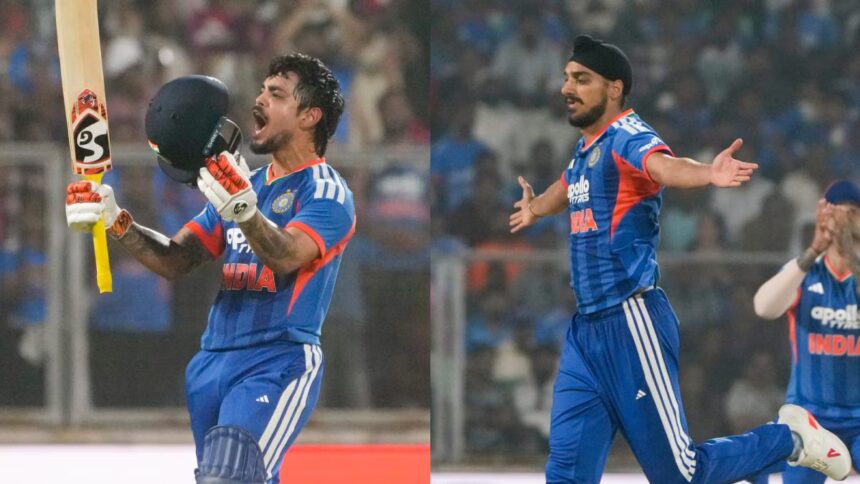
All eyes will be on the T20 World Cup 2026 final as India and New Zealand prepare for a blockbuster showdown. With both teams chasing history, the match could produce a memorable moment for world cricket.
India have a chance to achieve a rare double milestone. No team has defended the T20 World Cup title in the tournament’s history, and no host nation has managed to lift the trophy on home soil. If Suryakumar Yadav’s side triumphs, they will accomplish both.

New Zealand, meanwhile, will be desperate to end their long wait for a men’s T20 World Cup crown. The Black Caps have reached major finals in the past but are still searching for their first title in the shortest format.
India began the tournament strongly with a 29-run win over the USA before securing comfortable victories against Namibia, Pakistan and the Netherlands. Those results ensured they progressed through the group stage unbeaten.
Their only major stumble came against South Africa, who defeated them by 76 runs. Despite the setback, India regrouped quickly, beating Zimbabwe and the West Indies to reach the semi-finals. In a closely fought contest at the Wankhede Stadium, they defeated England by seven runs to seal a place in the final.
India have already played two matches in Ahmedabad during the tournament. They defeated the Netherlands but were also beaten convincingly by South Africa at the same venue.
Rain rules for the T20 World Cup final
Weather forecasts suggest clear conditions, but rain is always a possibility in cricket. In knockout matches of ICC tournaments, stricter rules apply compared to group stage fixtures.
For the final to produce a result, both teams must bat at least 10 overs. Tournament organisers have also set aside an additional 120 minutes on the scheduled day to help complete the match even if rain interrupts play.
What happens if play stops?
If rain disrupts the match and it cannot be completed on Sunday, the reserve day will be used. Importantly, the match will continue from where it stopped rather than starting again.
For instance, if India are midway through their innings and rain forces play to stop, the same situation will resume on Monday.
Even if only the toss has taken place on Sunday, the toss result and team selections will remain valid when play resumes on the reserve day.
When joint winners are declared
In the rare situation where rain prevents play on both days, the ICC rules state that the trophy will be shared. India and New Zealand would then be declared joint champions.
A similar situation occurred in the 2002 Champions Trophy final when India and Sri Lanka were named joint winners after persistent rain washed out play over two days in Colombo.