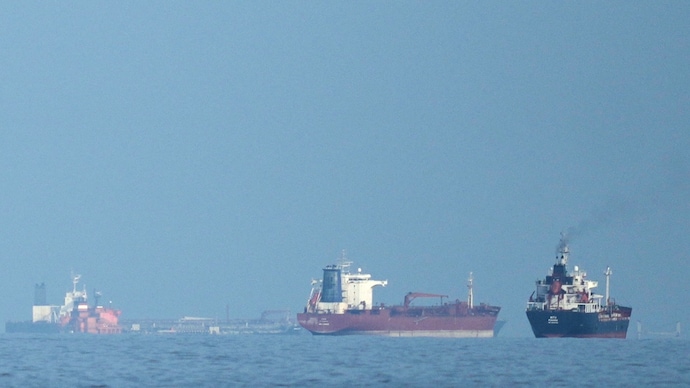
US President Donald Trump on Sunday announced that the American Navy will begin a maritime blockade targeting access to Iranian ports via the strategically vital Strait of Hormuz, sharply escalating tensions following the collapse of high-level talks with Tehran.
According to the US Central Command (Centcom), the blockade will come into effect at 10 am ET on Monday (7:30 pm India time) and will apply to all vessels entering or exiting Iranian ports. Centcom said the measure would be enforced “impartially” against ships of all nationalities operating in Iranian coastal waters, including the Arabian Gulf and Gulf of Oman.

However, the US clarified that the Strait of Hormuz itself will not be fully shut. Neutral transit through the waterway to and from non-Iranian destinations will remain permitted, though subject to inspection and monitoring. Humanitarian shipments such as food and medical supplies will also be allowed.
Trump, meanwhile, issued a strong warning on social media, saying vessels paying “illegal tolls” to Iran would be intercepted. He added that US forces would respond with “overwhelming retaliation” if American or commercial ships were targeted.
Iran Condemns Move, Warns of Retaliation
Iran swiftly rejected the announcement, with the Islamic Revolutionary Guard Corps warning that any foreign military presence near the Strait would be treated as hostile. Iranian leaders accused Washington of escalating tensions after negotiations broke down.
Parliament Speaker Mohammad Baqer Qalibaf said Iran would not bow to pressure, warning that the move could trigger global economic consequences, including a sharp rise in fuel prices.
Oil Markets React as Global Tensions Rise
The announcement comes after failed marathon talks in Islamabad between US and Iranian officials, which ended without agreement over nuclear restrictions and regional security issues.
Oil prices surged above USD 100 per barrel following the developments, while global markets reacted with increased volatility amid fears of disruption to one of the world’s most critical energy routes.