Elsa Angel Rose
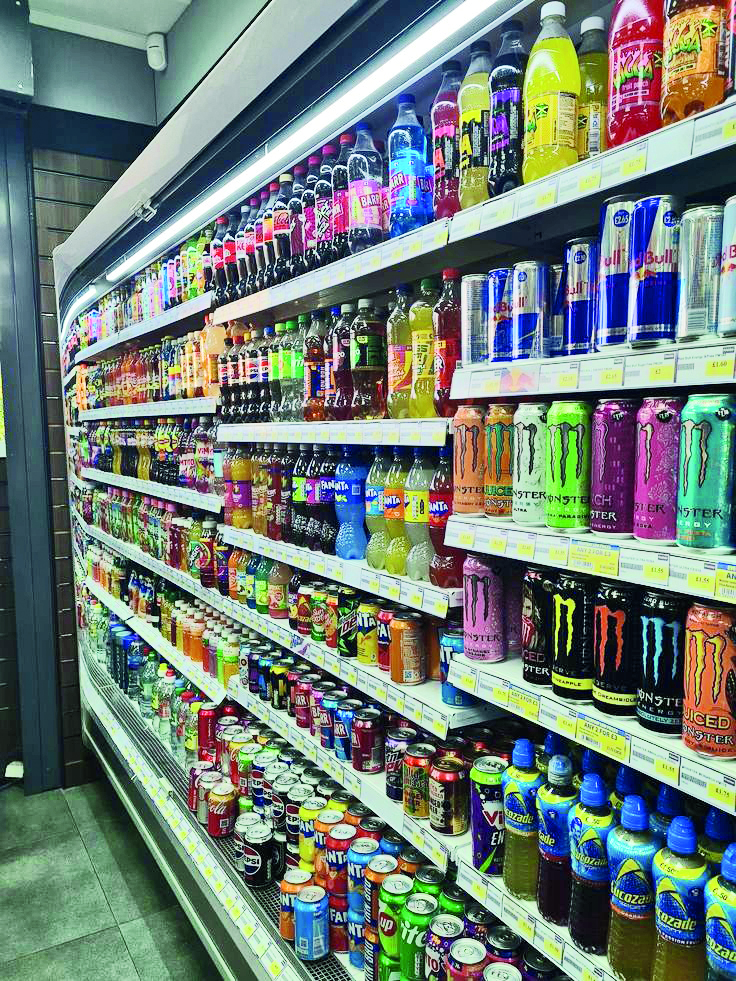
Supermarkets and grocery shops have dedicated racks and entire sections to energy drinks, ranging from Monster Energy and Red Bull to many more, and these sections are certainly mining gold for them. But do these energy drinks actually deliver what they promise, or is it a hoax? Do they come without any adverse health effects on the body?

Energy drinks are Ultra-processed, contain multiple stimulants, added chemicals, and often have high sugar and synthetic additives. “Typical ingredients in energy drinks include caffeine (very high doses), which stimulates the nervous system but can cause jitters, anxiety, heart palpitations, sleep disruption, and dependency. They also often contain sugar (very high, unless sugar-free), which leads to a quick spike in blood glucose but may result in fat gain, insulin resistance, energy crashes, and can worsen PCOS and hormonal issues. Sugar-free versions use artificial sweeteners to provide sweetness without calories, but these can disrupt the gut microbiome, increase cravings, cause bloating, and have unclear long-term effects when combined with caffeine,” explained Dr Joline Fernandes, a nutritional therapist. Situations where people use energy drinks include athletes, individuals during night shifts or exams, and busy professionals, who use them as a quick ‘pick-me-up,’ though these drinks mask fatigue instead of addressing the root cause.
The illusion of energy: what users really experience
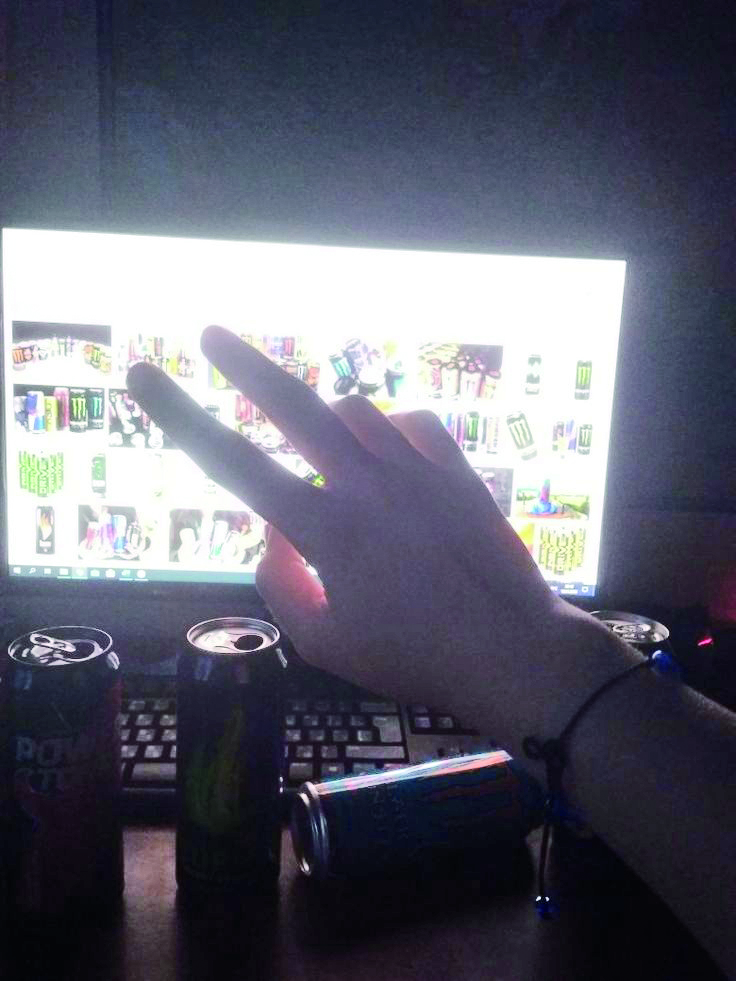
Energy drinks in reality do not give real energy but rather a forced simulation often followed by a crash in energy and blood sugars, irritability and poor focus later, quite contradictory to what most energy drink brands frequently, endlessly and rightfully claim. “I wouldn’t say I drink energy drinks all the time, but fairly often. It’s usually during last-minute studying or all-nighters when I need to stay up and get things done. So it’s less random and more of a ‘this cannot wait, I need to function’ situation. Honestly, even during all-nighters, I don’t suddenly feel super energetic; it’s more of a slight boost at best, and sometimes I even feel a bit sleepy after. So it’s helpful, but definitely not a dramatic transformation,” said Issaca Pereira, a student from Taleigao.
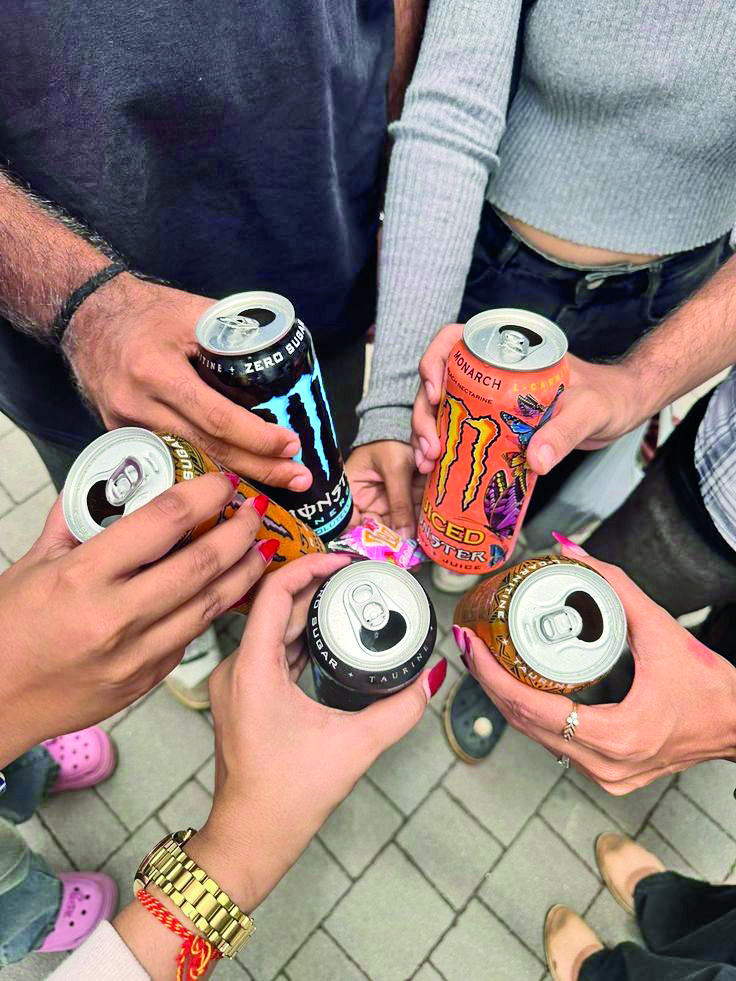
“I like Red Bull and Monster Energy because of the diversity in flavours. I drink an energy drink almost every other day, and at this point, I feel immune to it because I have an energy drinking problem,” said Siddharth Kittur, another Student from Porvorim. When asked about whether consumers of energy drinks are aware of the health risks the drink poses, Issaca shared, “Yeah, they can be addictive, especially with the caffeine. I am aware there are long-term health risks, so I try to keep it somewhat in check, even if I do rely on them during stressful study periods.”
The real health effects of energy drinks
Mostly, people wonder whether the drink actually is an energy booster or if it is just a placebo for consumers that makes them consume the drink even more. “Energy drinks may improve alertness and provide a temporary boost in energy. In some cases, the effect is also psychological, as people believe the drink will help them perform better. While they can enhance short-term focus, there is no strong evidence to suggest long-term improvements in physical or mental performance,” shared Sachin Sutar, an IFSI-certified nutritionist from Velha.
The short-term side effects of drinking energy drinks include rapid heart rate or palpitations, anxiety, restlessness, headaches, digestive issues, poor sleep, energy crash after the spike, and increased cravings, especially for sugar. How often is too often for drinking energy drinks? Sachin replied, “Many people consume energy drinks the same way they drink coffee, often underestimating how much caffeine they are actually taking in. Even one energy drink can be a significant amount, especially when combined with other sources of caffeine. Ideally, consumption should be limited to no more than two to three drinks per week. However, some individuals consume one to two drinks per day, which may increase health risks.”
Smarter, healthier ways to boost your energy

“Healthier alternatives include coffee and tea, which generally contain fewer additives and no artificial flavourings. Drinking water and maintaining proper electrolyte balance can also help reduce fatigue. Natural foods such as bananas are good options, especially before exercise. Additionally, a short nap of 10 to 20 minutes can help restore energy levels,” explained Sachin. Maintaining healthy daily habits can greatly reduce dependence on energy drinks. Getting about eight hours of sleep each night is important. Regular exercise, staying well hydrated, and practices like meditation can also enhance overall energy levels and lessen the need for caffeine. Energy drinks may catch your eye and taste great, but they will take a toll on your body and overall health when consumed mindlessly!