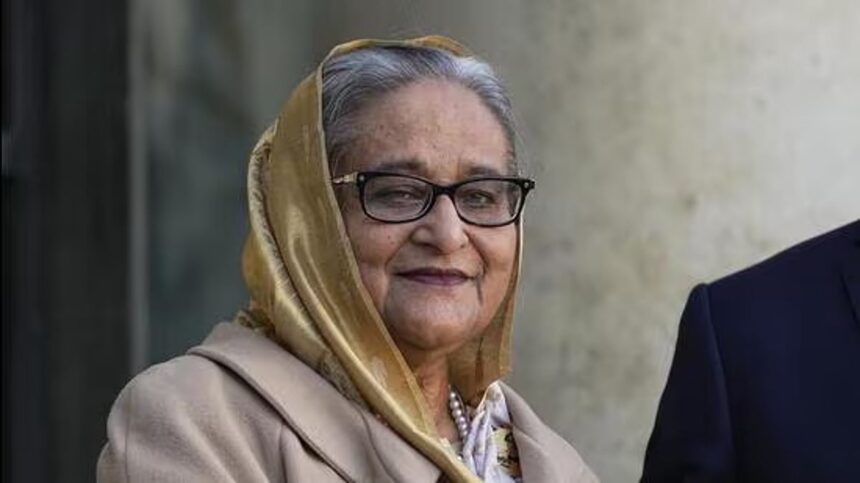
As political tension deepens in Bangladesh, the question of whether India can legally refuse a request to extradite Sheikh Hasina has become a subject of regional debate. India and Bangladesh signed an extradition treaty in January 2013, laying down clear guidelines on when a country may accept or decline such a request. The treaty allows extradition for serious offences, including those punishable with at least one year of imprisonment. However, it also includes strong safeguards that give New Delhi legal grounds to refuse, depending on the circumstances.
Under the treaty, India may decline extradition if the request appears politically motivated or if the accused faces persecution on account of political opinions. If India determines that the charges against Hasina stem from political rivalry, instability, or targeted prosecution, New Delhi is within its rights to withhold cooperation. Additionally, the treaty bars extradition if the person may face an unfair trial, harsh punishment, or human-rights violations.

Another key provision is the “dual criminality” clause, which requires that the alleged offence must be considered a crime in both nations. If the charges against Hasina do not clearly meet this threshold, India may legally refuse the request. The treaty also allows India to consider humanitarian factors, including health and safety risks.
While India and Bangladesh share strong diplomatic ties, the final decision would ultimately hinge on legal assessment, international obligations, and regional stability. If extradition threatens human rights or appears politically driven, India has full treaty-backed authority to say no.