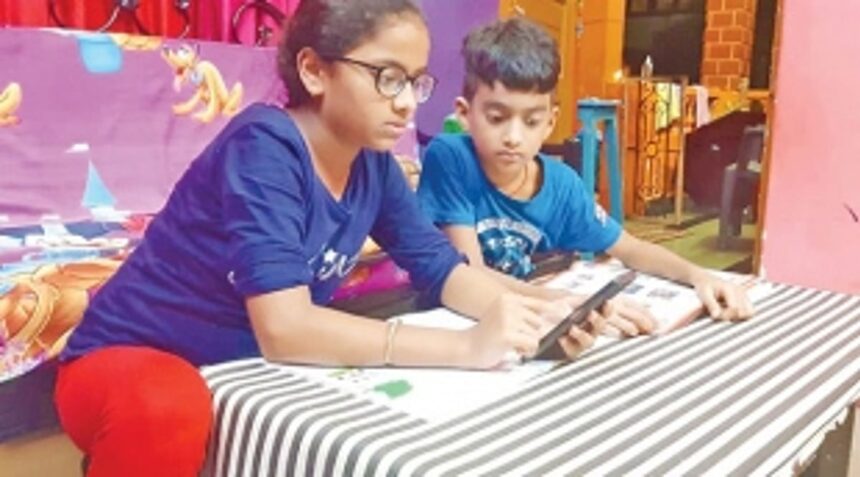
Since the pandemic hit the world, all schools have gone online and majority of the studies are being done over laptop and mobile phones which means the demand for internet and data has shot up drastically and the efforts are still on to rev up the infrastructure. Taking a cue from this the Goa government in August last year had notified the Goa Telecom Infrastructure Policy 2020, which aims to encourage establishment of modern telecommunication infrastructure and ensure good quality internet network across the state, especially in remote and hilly areas.
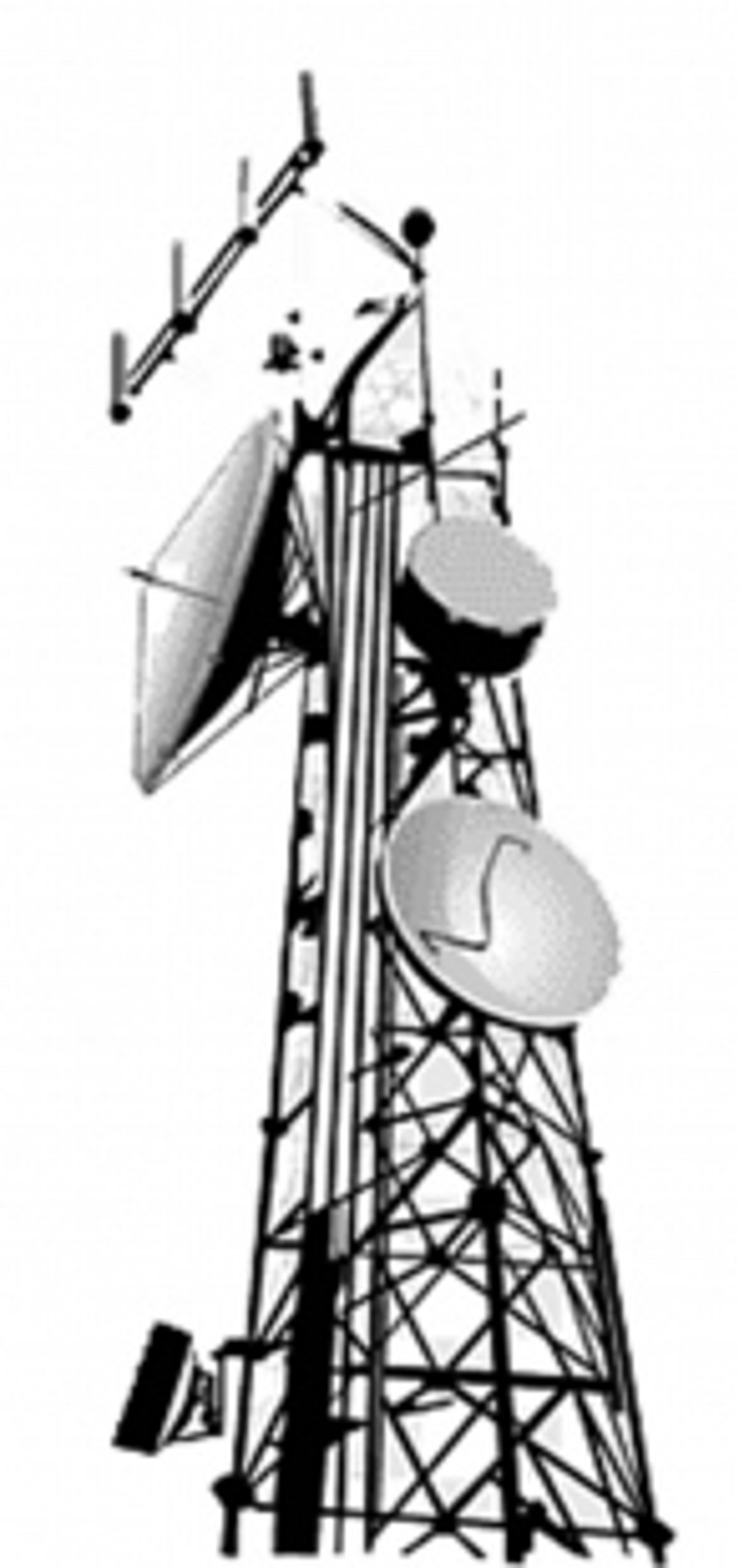
In January this year, the Goa government promised to install 62 new mobile towers as part of its telecommunication policy to increase network connectivity in the state. Chief Minister Pramod Sawant had also announced that as many as 138 mobile towers will be set up in the second phase of the plan. “This will greatly improve connectivity and benefit all sections of the society including students, IT professionals, tech start-ups etc”, he added.

Speaking to Herald, senior sources in the Public Works Department (PWD) said that after the notification of this new Goa Infrastructure Telecom Policy 2020 in August last year, the “Department has cleared over 100 applications for installation of new mobile towers and the NOC (no objection certificate) has already been given. At present, Goa has little over 1500 towers across the state.” With more towers, the connectivity to remote corners in Goa will improve, he assured.
Director of Information Technology Ankita Anand explained that Goa Broad Band Network (GBBN) has connected 190 Panchayats and 225 office building locations as backbone connectivity in the state of Goa. The project was operational from August 1, 2009. GBBN backbone connectivity was implemented on PPP (Public Private Partnership) without the ownership of the fibre. The project was implemented for a period of ten years which was completed on July 31, 2019. Now the project is under extension on the same terms and conditions.
As a part of GBBN project the department is generating revenue of 12 per cent from the income generated by the implementing agency (United Telecom Limited Bengaluru) from various services such as internet services, cybercafé etc, in the brand name Gwave. Further from this POP location Government has extended connectivity to over 1800 government departments, corporation, autonomous bodies, etc.
When asked how this move will improve the connectivity in Goa, especially when students are studying online, Ankita Anand said, “The department is now sending a detailed Project Report (DPR) to the Department of Telecom requesting for implementation of Bharat net in the State of Goa. With this proposal the department will have the ownership of the core fibre, will be able to generate revenue by leasing the dark fibre, and the connectivity shall be able to reach the remote villages. Further with the fiberisation in villages the penetration of internet connectivity, mobile connectivity can be increased by leasing the available optical fibre with telecom operators.”
Director General of Cellular Operators Association of India (COAI) Lt. Gen Dr SP Kochhar, DG, COAI told Herald that telecom service providers have laid approximately 4,000 kms of the optical fibre across Goa. In addition to that approximately 100 telecom towers have been installed by the industry in Goa in FY21 to improve the connectivity across the State. There are around 1,500 telecom towers and around 6,600 BTSs in Goa as of June 01, 2021.
“While the industry is willing to invest extensively to improve the connectivity across Goa, however, they are facing a lot of challenges and seek support from the State Government to make Goa Digitally more advanced,” said Lt Gen Dr SP Kochhar.
He highlighted that some of the challenges being faced by the Industries are:
Despite Department of Telecom (DoT) writing to the State officials and holding regular meetings with State representatives, the local bodies have not put in place a uniform practice and not adhering to Goa’s RoW Policy notified on Aug 20, 2020, which is adversely impacting telecom networks.
He added that one of the biggest challenges being faced by the industry across Goa is the exorbitant One-time Administrative charges being charged for installation of Telecom Tower at Rs 60,000 per tower and Rs 2.5 lakh per km for laying of OFC. The rentals for Government land and building are as high as Rs 50,000 per month in urban areas for GBT and Rs 20,000 per month for rural areas which is not aligned with one-time administrative charges of Rs 10,000 for installation of Telecom Towers and Rs 1,000 per km for laying of OFC mentioned in the Right of Way Rules, 2016.
Further, the application for the roll-out of telecom infrastructure is processed offline as there is no single-window clearance mechanism or Online Portal to process the fees that delays the application approval process leading to a delay in the roll-out of telecom infrastructure.
The COAI urged the State government of Goa to resolve these issues at the earliest and appoint a Nodal Officer for Dispute Resolution in accordance to RoW Rules, 2016, to enable the TSPs to provide good Coverage and Quality service to the people in Goa.
Deputy Director General, Department of Telecommunication in Goa, S Sudhakar told Herald that, “There were issues of connectivity soon after the cyclone Tauktae had hit Goa. But now everything has been restored. We have around 1500 towers in Goa. As far as connectivity is concernment we are the licensing authority and the service providers have competition among them to provide the best of services to their customers. No doubt that the demand has gone high after pandemic as almost everyone is working online and accordingly we are trying to increase the network capacity.”