Karsten Miranda
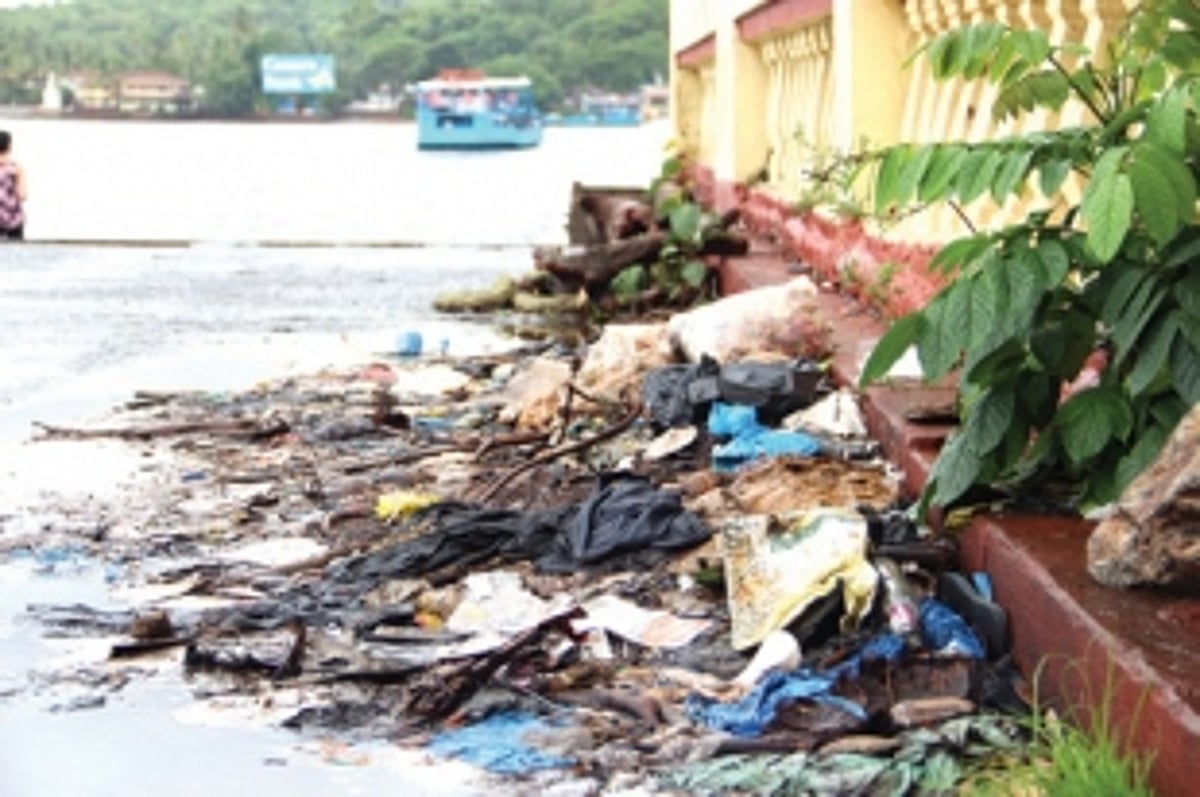
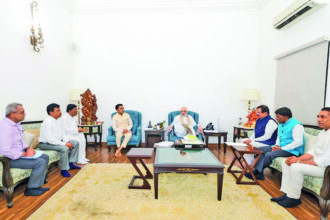
Margao: One of the first promises post-election that the then chief minister, Manohar Parrikar made was ‘Mission River Sal’. In his traditional style, he visited the site and gave umpteen instructions with a deadline. Some three and a half years later, the residents of Salcete still cry about living next to the most polluted river in the state.
Farmers in Dramapur, Navelim and across the stretch of River Sal have complained that they have even contracted diseases and infections on account of their skin coming in contact with the contaminated river and its tributaries. Over 500 farmers have given up on their farms as the water has contaminated their fields and their labourers were scared for their safety. Some of these farmers are still suffering from skin infections due to the highly polluted sewerage flow from the river.
Last year the fishermen from Velim, Betul and Cutbona had complained about the mortality of shellfish in the catchment area of River Sal along Velim, Betul and Cutbona. Local fishermen pointed out that most of the clams from the clam beds were found dead and decomposed with empty gaping shells.
Further, over 250 fishing families in the area complained that they had lost their livelihood due to this pollution which was causing destruction to flora and fauna in River Sal.
Salcete residents have long demanded that all discharge points that were found be immediately covered up and point out that in the past, they had brought it to the government’s notice that they had found deep gutters in Khareband from which sewerage was flowing into the river. “All the storm water drains in Margao are polluted with sewerage and the ones from Pajifond go directly to Salpem lake. The ones at the old market are dumped into River Sal at Mungul,” said activist Sidharth Karapurkar.
Parrikar had incidentally instructed government departments to take serious action on the matter and even went to the extent of stating that he would start ‘Mission clean up River Sal’ on a priority basis. Government officials stated that they had received instructions from the chief minister to stop the source of pollution and as a stop gap measure, were to construct a sewerage chamber to collect sewage from gutters to prevent any further contamination of the river. They had received instructions to take up the work of replacing the 25-year-old sewerage line from Fatorda to the sewerage treatment plant (STP) in Navelim via Comba immediately.
Goa State Pollution Control Board (GSPCB) undertook a pilot project for Groundwater Remediation by Bio-remediation of Sal River in Goa and signed a Memorandum of Understanding (MoU) for the pilot project in August 2013 between the Goa State Pollution Control Board (GSPCB) and Japan-based Asahi Geo Survey Company Ltd (AGS).
GSPCB officials said that the main objective of the project is to clear the river of trace metals and other pollutants and purify the water of the 38-km long river. This pilot study will undertake environmental site assessment and a bore survey of Sal and identify the contaminants or pollutants so as to purify the river.
The survey will be undertaken in three phases between February 2014 and July 2015. The full-scale remediation report will be submitted in the year 2017.