Team Herald
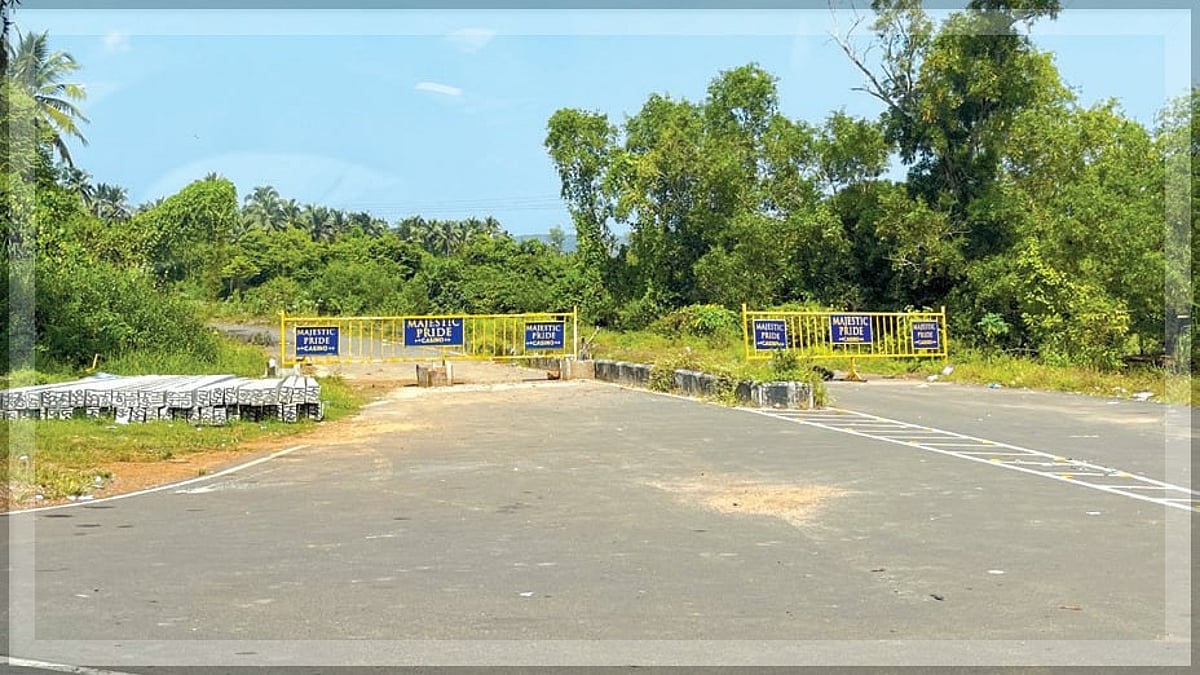
MARGAO: The long-delayed construction of the Western bypass, aimed at alleviating heavy highway traffic through Margao and nearby Navelim, is nearing its final stretch. This crucial segment, spanning approximately three km between Benaulim, Mungul, and Seraulim, is expected to be operational by the month’s end, according to Public Works Department (PWD) officials. The bypass, which has been under planning for nearly two decades, forms part of a broader effort to decongest traffic along the Karnataka-Maharashtra National Highway corridor.

PWD officials have confirmed that key construction tasks, including asphalting, crash barrier installation, and the setup of illumination lamps, are in progress along the route, with work beginning at Seraulim. Special protections have been added where the bypass intersects railway tracks. Following completion of asphalting and stability checks, the bypass is anticipated to open by late November or early December at the latest.
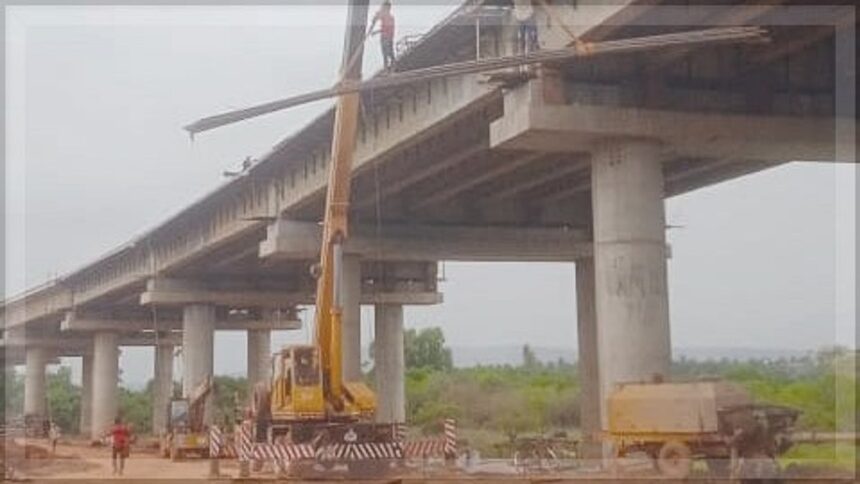
Additionally, resurfacing on the main road and approach roads continues, with structural testing of the new elevated stretch planned to verify its stability and load-bearing capacity ahead of commissioning.
Stretching a total of 11 km, the Western Bypass begins at Verna and connects to the NH 66 at Belem in Navelim. While much of the Verna to Margao stretch has already been in operation for several years, the final southern segments have experienced multiple delays, largely driven by disputes over construction approaches through sensitive flood plains. The contentious 2.75-km portion through Benaulim, Mungul, and Seraulim has faced prolonged pushback from residents who sought an elevated bypass to mitigate the risk of flooding during monsoon seasons.
Environmental and community concerns have been at the forefront of the debate with the National Green Tribunal (NGT) approached as well over these flooding concerns. Local villagers, supported by assessments from the Water Resources Department (WRD), argued that constructing the bypass on stilts would better protect the wetlands and water catchment areas surrounding the Sal river flood plains. Despite protests and lobbying with successive State governments, the demand was ultimately rejected.
Beyond construction hurdles, local challenges persist. Residents and officials alike have raised concerns about illegal dumping along the bypass. PWD representatives indicated that roadside waste collection falls under the purview of local bodies, yet inadequate lighting along the route has been cited as a contributing factor. Villagers argue that poor illumination facilitates littering, creating safety hazards for pedestrians and motorists. In response, the PWD assured that lighting improvements would be completed before the bypass’s official opening.