NESHWIN ALMEIDA
What was once the pride of South Goa, has today become a river of unbound miseries, which carries the filth, dirt and sewage of its selfish citizens, who have long stopped caring for the water body that once provided utmost joy.
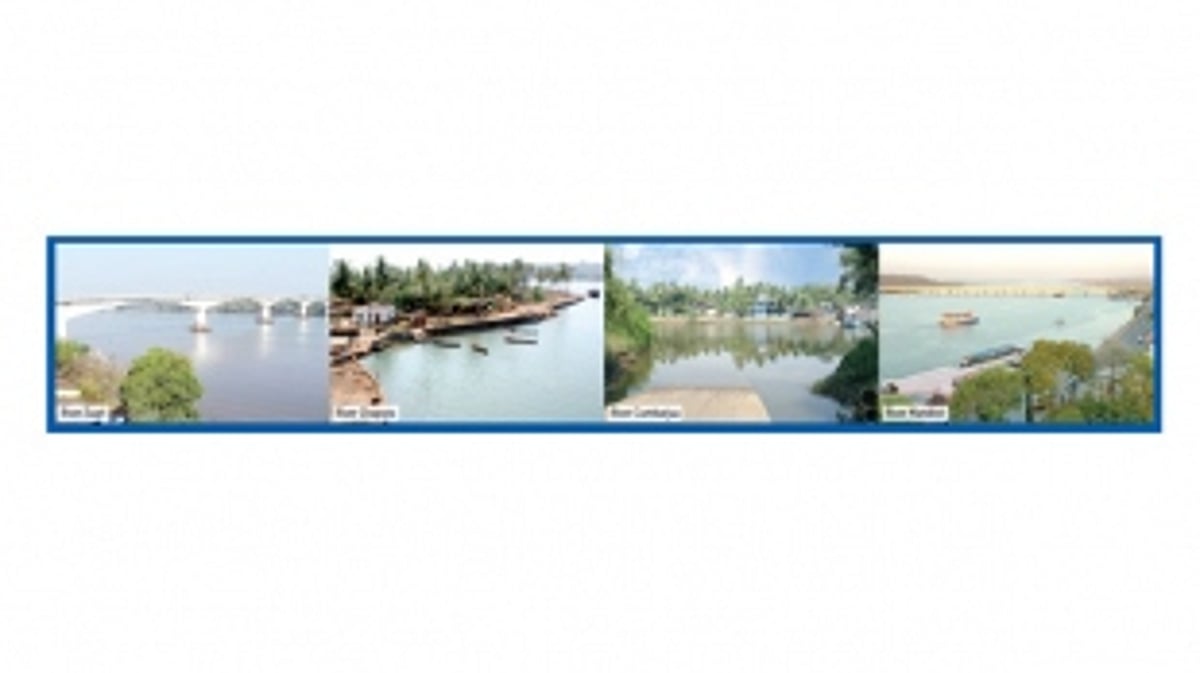
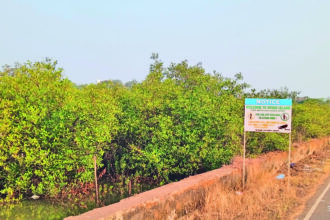
River Sal, which originates in Verna and winds itself towards Margao from where it opens up into a saline river and swells up right down to the mouth of the sea at Cavelossim, crisscrossing through the villages of Navelim, Varca, Orlim, Benaulim, Cavelossim, Chinchinim, Assolna and also with a tributary running down to the Cuncolim industrial estate.
Siddarth Karapurkar, a social activist from Navelim has been up in arms with the Navelim panchayat and has been fighting against the illegal release of sewage from the massive mega projects into the River Sal thereby polluting the south Goa river.
“ We have extensively opposed the setting up of building projects without proper garbage and sewage disposal systems that in turn pollutes and contaminates the river, which was once a significant river in Salcete, both for fishing and trade,” he explains.
Similarly, Victor Gomes, a historian and owner of museums, reiterates how the now smelling and filthy River Sal once had boats, better known as Patmari coming in from Mangalore and Karwar with roof tiles to barter for salt from the salt pans of Chinchinim. The river, in those days, was deep enough to enable these boats to come and docked at Khareband, he pointed out.
“The river is polluted by sewage from building, hoteliers and restauranteurs dumping garbage and sewage into the river. Then there’s slag from the Cuncolim industrial estate, waste diesel from the trawlers and open defecating and bathing by fishermen’s migrant staff who work on the trawlers. Besides, the COPs delays to arrest the sand bar and moving sand into the river, disallows these affluent from flushing into the sea,” explains officials from the Goa Pollution Control Board.
“The river had such a bad stench that we cannot open our windows since we live on the banks of the river. I managed some state funds and partially dredged the river from Khareband to Telaulim, beyond that I could not manage because of the lack of funds released by the then Chief Minister,” ascertains Avertano Furtado, former fisheries Minister in the previous Manohar Parrikar and Laxmikant Parsekar government.
However, Avertano is of the view that nationalization is not the way forward to dredge our rivers and maintain them.