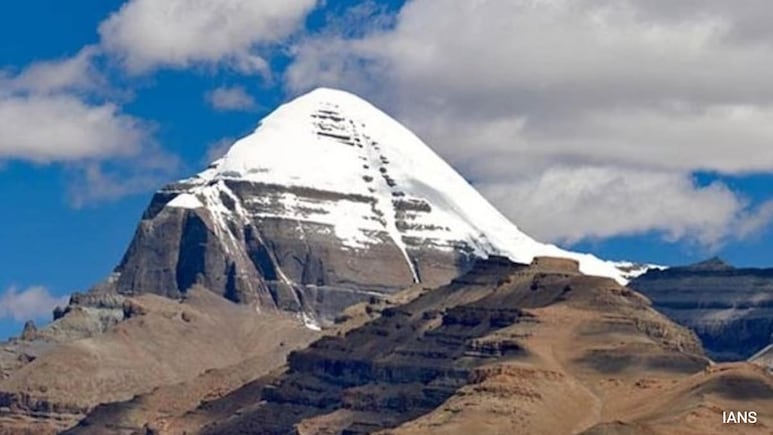
Nepal has formally raised objections to India and China over plans to conduct the Kailash Mansarovar Yatra via the Lipulekh Pass, a high-altitude route that Kathmandu claims lies within its territory. The protest, issued by Nepal’s Foreign Ministry, underscores a long-standing border dispute involving the strategically sensitive Kalapani-Lipulekh region.
The controversy was triggered after India announced that the 2026 yatra would resume between June and August, with one of the key routes passing through Lipulekh in Uttarakhand. Nepal has said it was neither consulted nor informed about the decision, prompting it to lodge concerns through diplomatic channels with both New Delhi and Beijing.

At the heart of the dispute lies differing interpretations of the 1816 Treaty of Sugauli, which defined the Kali River as Nepal’s western boundary. Nepal maintains that the river originates at Limpiyadhura, placing Lipulekh and surrounding areas within its borders. India, however, argues that the river’s source lies further east, thereby asserting its control over the region.
Tensions escalated in 2020 when India inaugurated a road to Lipulekh, leading Nepal to release a revised political map incorporating the disputed territories. The move intensified diplomatic friction, though both sides have since emphasised dialogue.
Adding complexity is China’s involvement. Past agreements between India and China regarding Lipulekh, including its use for trade and pilgrimage, have drawn objections from Nepal, which insists such decisions cannot exclude it.
Despite the current disagreement, Nepal has reiterated its commitment to resolving the issue peacefully through negotiations. However, with the pilgrimage season approaching, the dispute remains unresolved, reflecting deeper geopolitical sensitivities in the Himalayan region.