For over two decades, Goa’s Scheduled Tribe communities—comprising 10.23% of the State’s population—have navigated a frustrating political paradox. Though officially recognised in 2003, the Gawda, Kunbi and Velip communities remain out from constitutionally mandated Assembly reservation through four subsequent election cycles. Despite the Centre passing a dedicated Readjustment Bill in August 2025, the crucial implementation date remains unnotified 10 months later. This ongoing stall by the “double-engine” BJP government forces tribal leaders to question whether administrative will exists, or if Goa’s indigenous voters are simply being taken for granted ahead of the 2027 polls. VITHALDAS HEGDE reports
Cultural identity and political exclusion

For generations, these communities have been living close to the forests, rivers and hills that shaped their way of life. These communities contributed immensely to Goa’s cultural heritage, yet their voices have remained absent from political decision-making.
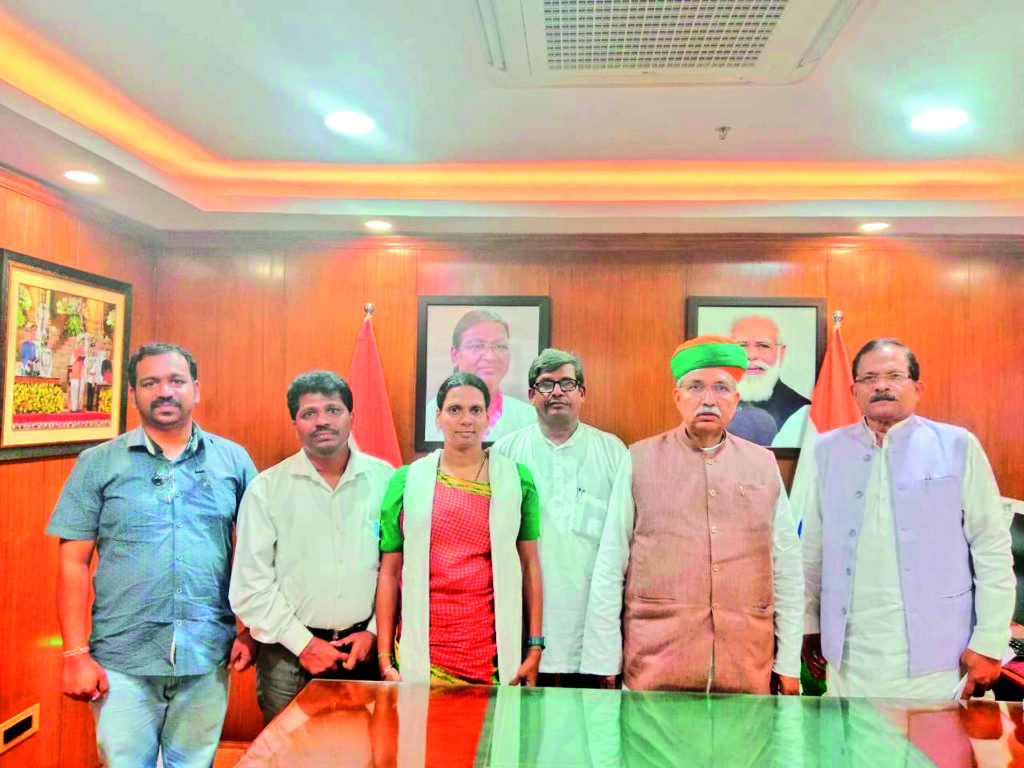
Many tribal leaders feel that recognition without representation left them unable to effectively influence policies affecting their land, education, employment and social welfare. Year after year, community organisations submitted memoranda, held meetings and organised peaceful demonstrations demanding that constituencies be reserved for candidates belonging to ST communities as mandated under the Constitution for tribal populations elsewhere in the country.
The struggle was not merely about reservation of seats in the Legislative Assembly. It was about dignity and inclusion. Elders recalled how development projects often overlooked tribal settlements and how youth lacked role models in elected office. Activists argued that genuine democracy required the presence of tribal representatives who understood the unique challenges faced by their communities.
Many members of Goa’s Scheduled Tribe communities feared that without adequate representation in elected bodies, their traditional knowledge, customs and concerns would remain unheard. Rapid urbanisation, tourism-driven development and changing land-use patterns increasingly affected tribal villages, making political participation more important than ever.
The demand gained momentum as tribal organisations united across Goa. They engaged with governments, election authorities and national commissions seeking implementation of political reservation based on demographic realities. Despite repeated assurances, progress was slow, leading to frustration among many community members.
The 2011 Balli agitation: A tragic catalyst
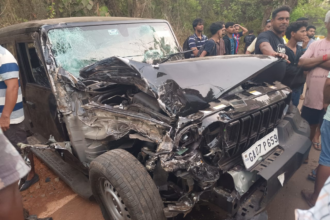
In May 2011, the members of ST communities under the banner of the United Tribal Associations Alliance (UTAA) staged a protest at Balli, near Cuncolim demanding reservation in government jobs, implementation of forest rights legislation and the establishment of a Scheduled Tribes Commission. The agitation turned violent as protestors blocked the national highway and Konkan Railway tracks, subsequently resulting in the death of two young tribal activists.
After years of sustained advocacy, the issue received wider political attention. The movement demonstrated the power of collective action and constitutional methods of protest. While challenges remained, the struggle became a symbol of resilience and determination.
The delimitation trap and unreserved turf
For over two decades, these communities have lacked reserved seats in the 40-member Assembly, mainly because their ST classification occurred after the 2002 delimitation exercise.
For decades, tribal leaders and community organisations demanded greater representation in the legislative process. They argued that the absence of reserved constituencies limited the ability of ST communities to influence policies affecting their land rights, education, employment and welfare. Yet, despite these challenges, tribal communities continued to participate actively in democratic processes.
Their resilience is reflected in Goa’s political history. Without the benefit of a single reserved seat in the Goa Legislative Assembly, 17 members belonging to ST communities have been elected as MLAs over the years. Their victories demonstrated the confidence that voters placed in tribal leaders and highlighted the growing political awareness within these communities.
These achievements, however, have not ended the demand for reserved constituencies. Community leaders continue to argue that constitutional safeguards should be fully implemented to ensure fair representation. The election of 17 MLAs belonging to ST communities over the years without reservation stands as a testament to the determination, leadership and democratic participation of Goa’s tribal communities in their ongoing struggle for equality and recognition.
However, the ST leaders argued that individual electoral success cannot substitute for constitutionally mandated political representation.
Today, the story of Goa’s STs is remembered as a reminder that recognition is only the first step. True empowerment comes when communities not only possess rights on paper but also have a meaningful voice in the institutions that govern their future.
The 2027 Assembly election countdown
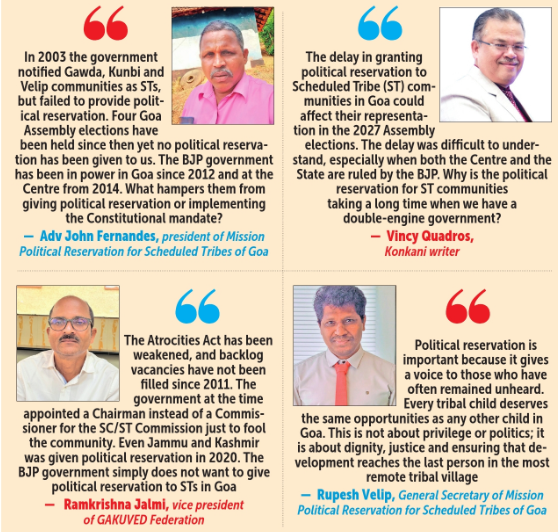
Adv John Fernandes, president of Mission Political Reservation for Scheduled Tribes of Goa, said, “In 2003 the government notified Gawda, Kunbi and Velip communities as STs, but failed to provide political reservation. Four Goa Assembly elections have been held since then yet no political reservation has been given to us. The BJP government has been in power in Goa since 2012 and at the Centre from 2014. What hampers them from giving political reservation or implementing the Constitutional mandate?”
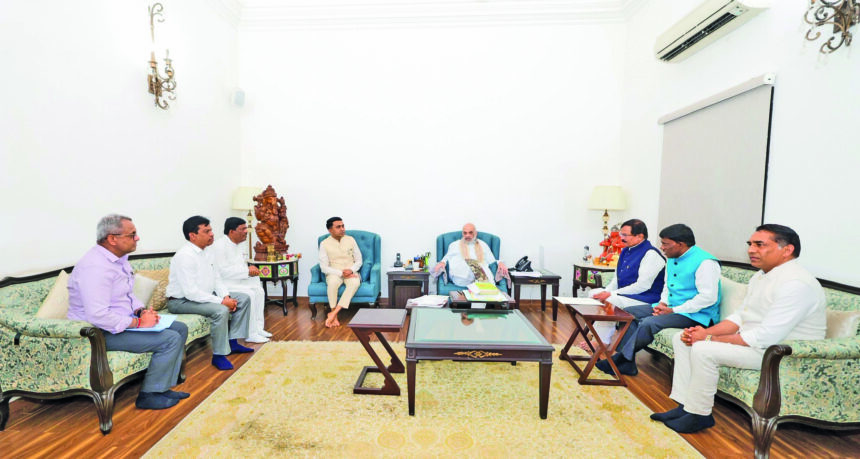
Adv Fernandes pointed out that in August 2025 the Union government passed The Readjustment of Representation of Scheduled Tribes in Assembly Constituencies of the State of Goa Bill and notified it. But even after 10 months the appointed date for its implementation has still not been notified. Even the newly-created Union Territory of Jammu and Kashmir has nine Assembly seats reserved for STs. Political reservation remains pending only in Goa. This shows that either there is no will for the government to give political reservation to STs in Goa or the government is taking tribal communities for granted.
Konkani writer Vincy Quadros has questioned the delay in granting political reservation to Scheduled Tribe (ST) communities in Goa, saying it could affect their representation in the 2027 Assembly elections.
Reacting to the issue, Quadros said, “The delay was difficult to understand, especially when both the Centre and the State are ruled by the BJP. Why the political reservation for ST communities is taking a long time when we have a double-engine government is a question mark?”
Quadros warned that if the reservation is not notified soon, it would become difficult to reserve seats for ST candidates in the 2027 Goa Assembly polls. He mentioned that Reservation Bill in this regard has been already passed in Lok Sabha and Rajya Sabha and assented by the President of India. ST people cannot understand the logic behind the delay in issuing the common notification.
Institutional gaps and token appointments
Gawda Kunbi Velip and Dhangar (GAKUVED) Federation vice president Ramkrishna Jalmi alleged that little had changed even after three communities were included in the Scheduled Tribes list.
He criticised the government for appointing only a chairman instead of an empowered commissioner to the Goa Commission for Scheduled Castes and Scheduled Tribes, accusing the BJP of lacking the true political will to grant assembly reservation.
Jalmi said, “After notifying three communities in the ST list, nothing much happened. Scheduled Areas were not declared, the Advisory Council was not formed, Tribal Sub-Plan funds are being misused, and Forest Rights claims remain pending. Furthermore, the Atrocities Act has been weakened, and backlog vacancies have not been filled since 2011. The government at the time appointed a Chairman instead of a Commissioner for the SC/ST Commission just to fool the community. Even Jammu and Kashmir was given political reservation in 2020. The BJP government simply does not want to give political reservation to STs in Goa.”
Former GAKUVED Federation general secretary and Mission Political Reservation fort Scheduled Tribes of Goa general secretary Rupesh Velip said, “Our tribal communities have protected Goa’s forests, land, culture and traditions for generations, yet many of our people still live without adequate infrastructure and opportunities. Since receiving Scheduled Tribe status in 2003, the journey towards equality has remained incomplete. Political reservation is important because it gives a voice to those who have often remained unheard. Every tribal child deserves the same opportunities as any other child in Goa. This is not about privilege or politics; it is about dignity, justice and ensuring that development reaches the last person in the most remote tribal village.”